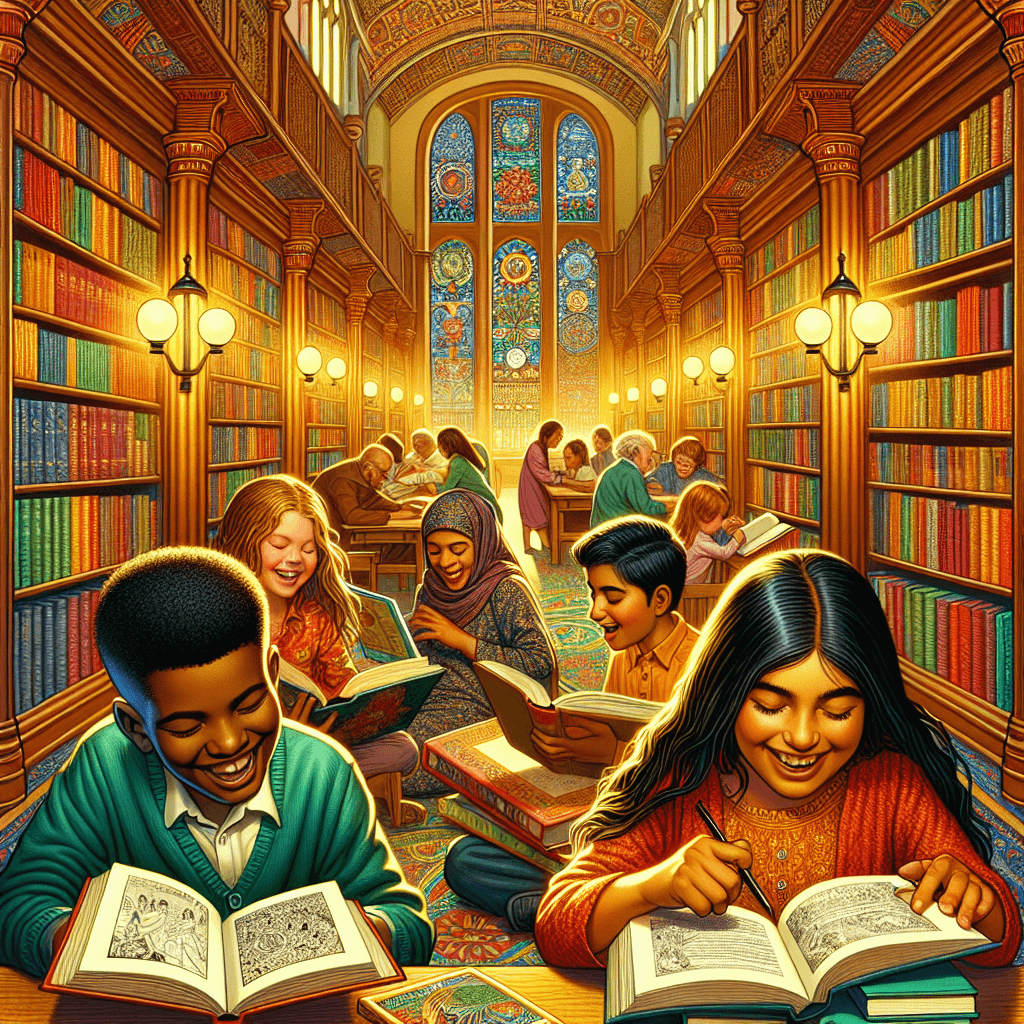
Beyond the Bookshelf: How Diverse Reading Can Cultivate Empathy in Your Child
As parents, we all want our children to grow into kind, open-hearted individuals who see the world through more than just their own eyes. We teach them through conversations, model kindness in daily life, and encourage friendships with all kinds of people. But there’s another powerful tool that often goes overlooked: books.
When chosen intentionally, stories can open your child’s heart to experiences far beyond their own. They help children relate to people of different cultures, backgrounds, and beliefs—planting the seeds of empathy and emotional understanding.
Why Stories Matter for Building Empathy
Empathy isn’t something kids are born knowing—it’s something they learn through exposure and experience. Stories are a safe and meaningful way to provide that exposure.
Here’s how:
Understanding Different Lives: Books help children explore cultures, family types, and life challenges they may not encounter in everyday life—whether it’s moving to a new country or living in a multi-generational household.
Challenging Stereotypes: Diverse stories chip away at unconscious biases and open young minds to a more nuanced, respectful view of others.
Building Emotional Language: Stories teach kids how to name and understand feelings—both their own and those of others—which builds emotional intelligence and social awareness.
Imagine your child reading about someone who feels left out, different, or unsure—and suddenly saying, “I’ve felt that way, too.” That’s empathy in action.
Choosing the Right Books: Simple Tips for Parents
The key isn’t just reading more books—it’s choosing books that act as mirrors, windows, and doors.
This framework, introduced by Dr. Rudine Sims Bishop, helps you think about book selection in three ways:
Mirrors: Books that reflect your child’s identity, language, or family life. These stories affirm who they are.
Windows: Stories that show lives different from theirs. These encourage understanding.
Sliding Glass Doors: Books that invite children to step into someone else’s shoes and imagine how it feels to live another experience.
A balanced bookshelf offers all three—helping your child feel seen while also expanding their view of the world.
Need help getting started? Our DWKD story Maya’s Mixed Emotions helps children name and normalize complex feelings during big changes. Or try Faith Makes Friends to explore kindness and courage in new environments.
How to Bring Stories to Life—Without Extra Screens
You don’t need fancy tech or apps to make reading diverse books a deeper experience. Here are some simple tools and habits that make a big difference:
1. Use Your Local Library (or DWKD's Digital Library)
Ask your librarian for books that reflect a range of cultures, family structures, and experiences.
2. Let Your Child Choose, Then Guide Them Gently
Invite them to pick books that interest them—then suggest one that stretches their perspective. For example, if they love books about families, choose one that features a family unlike their own.
3. Ask Questions While You Read
Pause and ask: “How do you think she feels?” or “What would you do in his place?” These questions help children practice perspective-taking and emotional reasoning.
4. Connect Books to Real Life
After reading, relate the story to your child’s world. “Do you know anyone who moved to a new place like Maya?” “Have you ever felt nervous in a new group?” This makes the learning real and personal.
What's Next... Raising Open-Hearted Kids, One Page at a Time
Books don’t just teach facts—they build compassion. They remind children that different isn’t bad, and unfamiliar doesn’t mean scary. And when we, as parents, make space for these stories on our shelves and in our routines, we help raise children who are thoughtful, inclusive, and confident in a beautifully diverse world.
So next time you pick up a story with your child, think of it not just as a bedtime ritual—but as an opportunity to open a window, offer a mirror, or walk through a door that changes everything.