Building Your Child's Emotional Brain: The First 8 Years
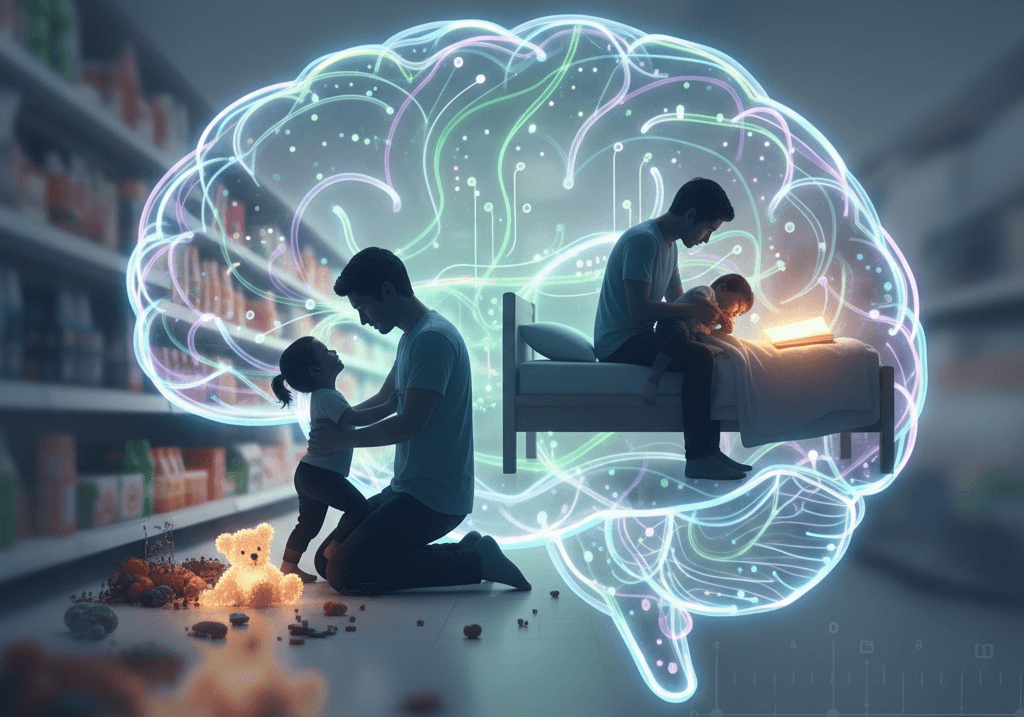
Every parent knows that feeling when their child melts down in the grocery store or has a bedtime breakdown. What if I told you that how you respond in these moments isn't just about getting through today—it's literally shaping your child's brain for life? The science is clear: the first eight years are when we're building the emotional foundation our children will carry forever.
Why the First 8 Years Matter So Much
Your child's brain grows faster in the first eight years than it ever will again. During this critical period, neural pathways are forming at an incredible rate—up to 1,000 new connections per second. Think of it like wet cement: every interaction, every response, every moment of connection leaves a lasting impression.
This rapid brain development means that how we respond to our children's emotions literally wires their brains for the future. When we respond with calm presence during a meltdown, we're teaching their nervous system that big feelings are manageable. When we dismiss or punish emotions, we're teaching them that feelings are dangerous and should be hidden.
The good news? You don't need to be perfect. You just need to be intentional about building these emotional skills consistently over time.
Ages 0-2: Building the Foundation of Safety
In the earliest years, your baby's brain is learning one fundamental question: "Am I safe?" Every time you respond consistently to their cries with comfort, you're answering with a resounding "yes." This isn't spoiling—it's brain building.
When your baby cries and you pick them up, soothe them, or meet their needs, you're literally wiring their brain for trust and security. This creates what researchers call a "secure attachment," which becomes the foundation for all future emotional regulation.
Don't worry about responding "too quickly" or creating bad habits. Babies this young can't manipulate—they can only communicate their needs the best way they know how. Your consistent, loving responses are teaching their developing nervous system that the world is safe and that their feelings matter.
Ages 2-5: Teaching Co-Regulation Through Connection
The toddler and preschool years bring big emotions in small bodies. This is when meltdowns become more frequent and intense, but it's also when you have incredible power to shape how your child learns to handle these feelings.
During a meltdown, resist the urge to fix, solve, or stop the emotion. Instead, get down on their level and offer your calm presence: "You're having big feelings. I'm staying right here with you." This teaches co-regulation—the ability to use another person's calm energy to find their own calm.
Remember that your child's prefrontal cortex (the rational thinking part of the brain) won't be fully developed until their mid-twenties. They're not choosing to have meltdowns—their developing brain simply gets overwhelmed. Your job isn't to stop the emotion but to be their safe harbor while the storm passes.
Ages 5-8: Building Emotional Vocabulary and Self-Awareness
As children enter school age, they're ready to start building more sophisticated emotional skills. This is when you can begin helping them name and understand their feelings in more nuanced ways.
Teach them to use descriptive language for emotions: "I feel stormy inside," "My heart feels heavy," or "I have butterfly feelings in my stomach." This builds emotional vocabulary and self-awareness—crucial skills for lifelong emotional regulation.
At this age, you can also start introducing simple mindfulness practices. Teach them to notice where they feel emotions in their body, practice deep breathing together, or create a calm-down toolkit with sensory items they can use when feeling overwhelmed.
The Secret to Making It Stick: Practice During Calm Moments
Here's the game-changer that many parents miss: emotional skills are learned during calm moments, not during meltdowns. When your child is in the middle of a big emotion, their brain is in survival mode and can't absorb new learning.
Instead, practice calming strategies when everyone is regulated. Read books about feelings during bedtime, practice deep breathing during car rides, or create a feelings chart together during a peaceful afternoon. These calm-moment practices create the neural pathways your child can access when they really need them.
Make it playful and age-appropriate. Young children learn through games, songs, and stories. You might create a "feelings dance" where you move your body like different emotions, or use stuffed animals to practice helping others with big feelings.
You're not just surviving tantrums—you're building your child's emotional future, one response at a time. Every moment of connection, every patient response, every time you stay calm in their storm is an investment in who they're becoming. Trust the process and trust yourself.