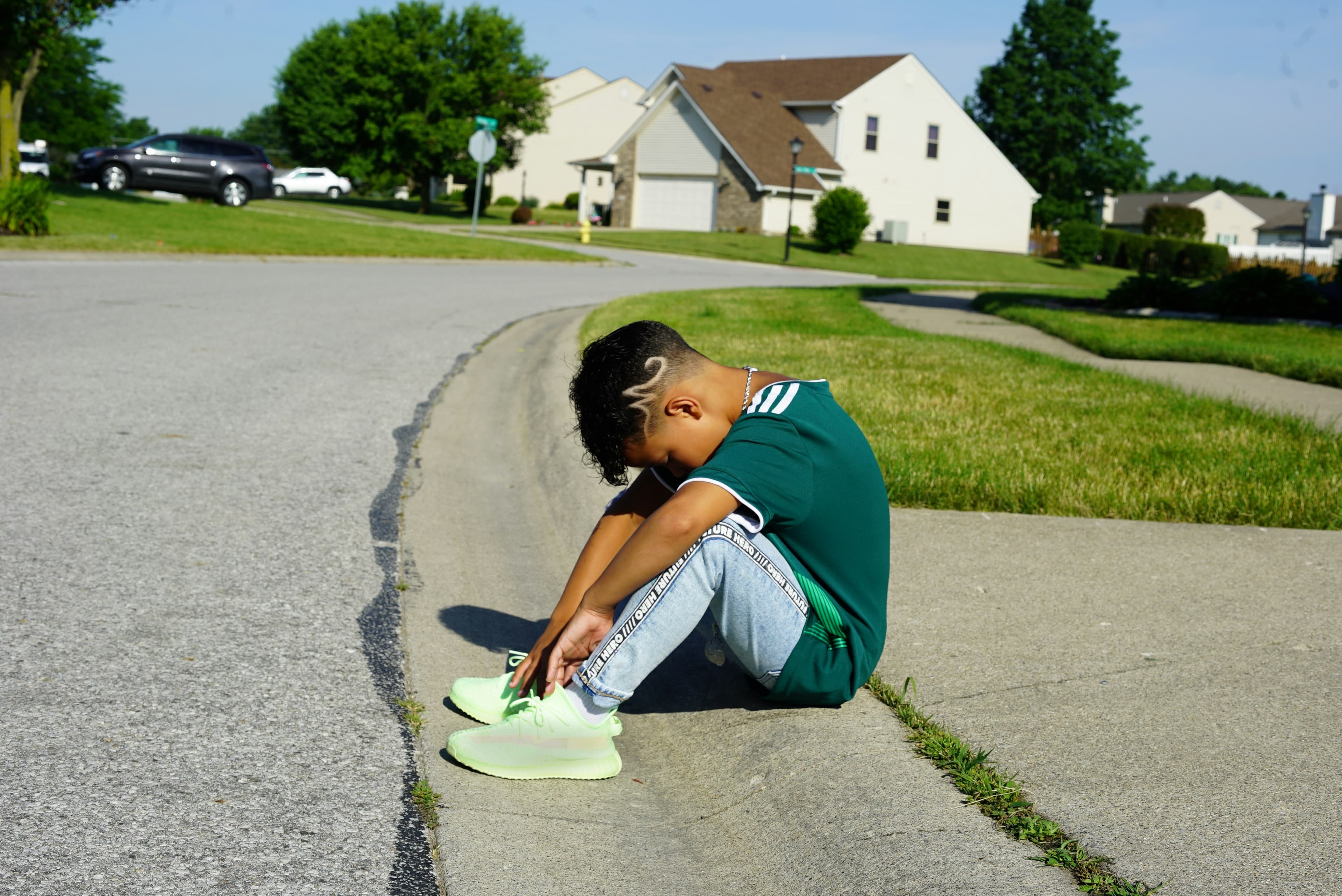
When Discipline Shakes the Safe-Base Feeling
Your child won't put their shoes on. You've asked three times. Finally, the words come out: "Fine. No park today." They love the park. You know it'll work. But something in their face shifts—not just disappointment. Something quieter.
Trust Lives Here
Research from child development experts at PMC shows that <cite index="2-12">trust is essential for children to tolerate discipline</cite>, and that trust comes from knowing relationships can withstand difficulties. When we repeatedly use what children care about against them, we risk teaching them that their loves aren't safe with us—that connection itself is conditional.
Name the Real Issue
Instead of taking away the park, try naming what's actually happening: "I see you're having a hard time with shoes right now. We need shoes for the park." You're addressing the behavior without weaponizing what they love.
Offer a Partnership
What if you said: "Let's figure this out together. How can we get shoes on so we can go?" It shifts from you-versus-them to both-of-you-versus-the-problem. You're still holding the boundary—shoes are needed—but you're doing it side-by-side.
Here's the thing: you caught that shift in their face. You noticed. That awareness is everything—it means you're paying attention not just to compliance, but to connection. That's the work. And your child feels it, even when moments are hard.