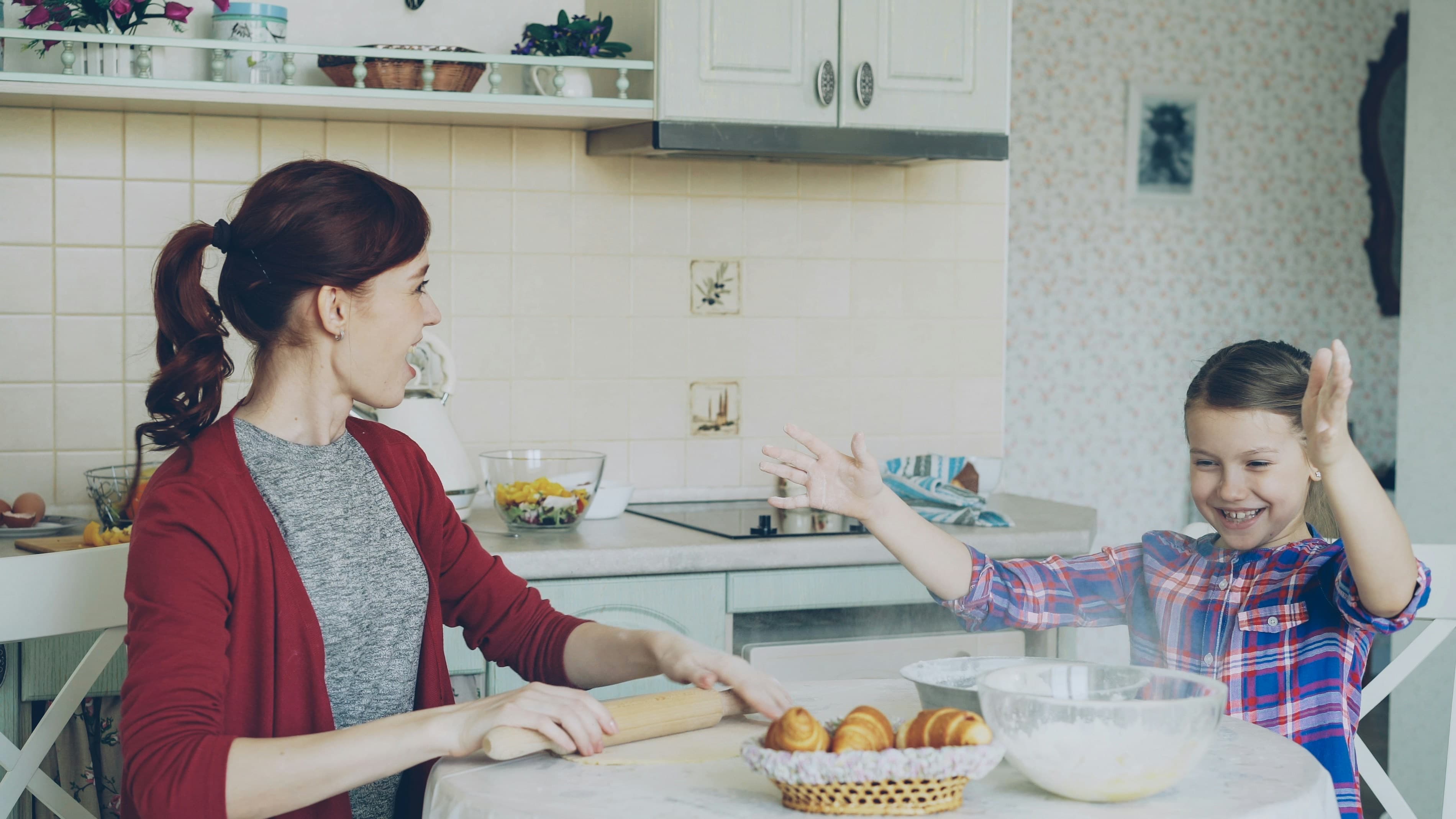
When Learning Looks Like Play
The Moment
Your child is stacking blocks. Again. You watch them count each one, balance the tower, then knock it all down with delight. Part of you wonders—shouldn't they be learning something? But here's the thing: they are.
Research Says
Play Is Learning's Mother Tongue
Researchers at the University of Cambridge found that play-based learning can have a greater positive effect on early math skills, shape knowledge, and problem-solving than traditional instruction. When kids play, their hands are busy and their minds are curious—and that's when understanding sticks. What looks like messing around is actually their brain building the pathways for real learning.
Try This
Let the Mess Teach
Next time they're deep in play—blocks, water, pretend kitchen—resist the urge to turn it into a lesson. Just watch. Notice what they're figuring out on their own. The learning is already happening.
Name What You See
Try saying what you observe: 'You're making that tower taller than yesterday' or 'You figured out how to balance that.' You're not teaching—you're helping them see their own learning.
Here's What Matters
The fact that you're noticing what's happening during play means you're already tuned in to how your child learns best. They don't need more worksheets—they need what you're already giving them: time, space, and your attention. That's the whole thing.