Letting Kids Resolve Their Own Social Challenges: A Guide for Educators
Why It Matters: Empowering Kids Builds Lifelong Skills
Helping children solve social problems independently supports their development in several critical ways:
Social-emotional growth: Children build empathy, learn to communicate, and develop emotional intelligence. Social and emotional learning (SEL) is key to both academic success and emotional well-being.
Resilience & confidence: Solving their own problems shows kids they are capable, boosting self-efficacy and emotional strength.
Critical thinking: Disagreements help sharpen reasoning and decision-making.
Less reliance on adults: Children begin taking ownership of respectful social behavior.
Lower aggression: Tools like active listening and assertiveness reduce bullying.
Positive classroom culture: Peer-led conflict resolution fosters trust and connection.
From Problem Solver to Facilitator: The Educator’s Evolving Role
Rather than fixing conflicts, educators become coaches. Here’s how that looks:
Support instead of solve: Ask guiding questions like, “What happened?” or “How did that make you feel?” Give kids space to process and act.
Explicitly teach social skills: Practice tools like “I-statements,” compromise, and perspective-taking in daily lessons.
Observe before intervening: Let children work through challenges, stepping in only when needed. Use emerging tools, such as observational apps or journals, to track social patterns.
Practical Tools to Build Social Skills
Want to cultivate a classroom where kids resolve issues independently? Try these strategies:
Set norms together: Collaborate on class rules to increase student ownership.
Teach “I-statements”: “I feel ___ when ___” helps reduce blame and spark understanding.
Create conflict-resolution zones: Set up “peace corners” or quiet spaces for reflection, similar to Montessori environments.
Use peer mediation: Train students to help others resolve conflicts—boosting empathy and leadership.
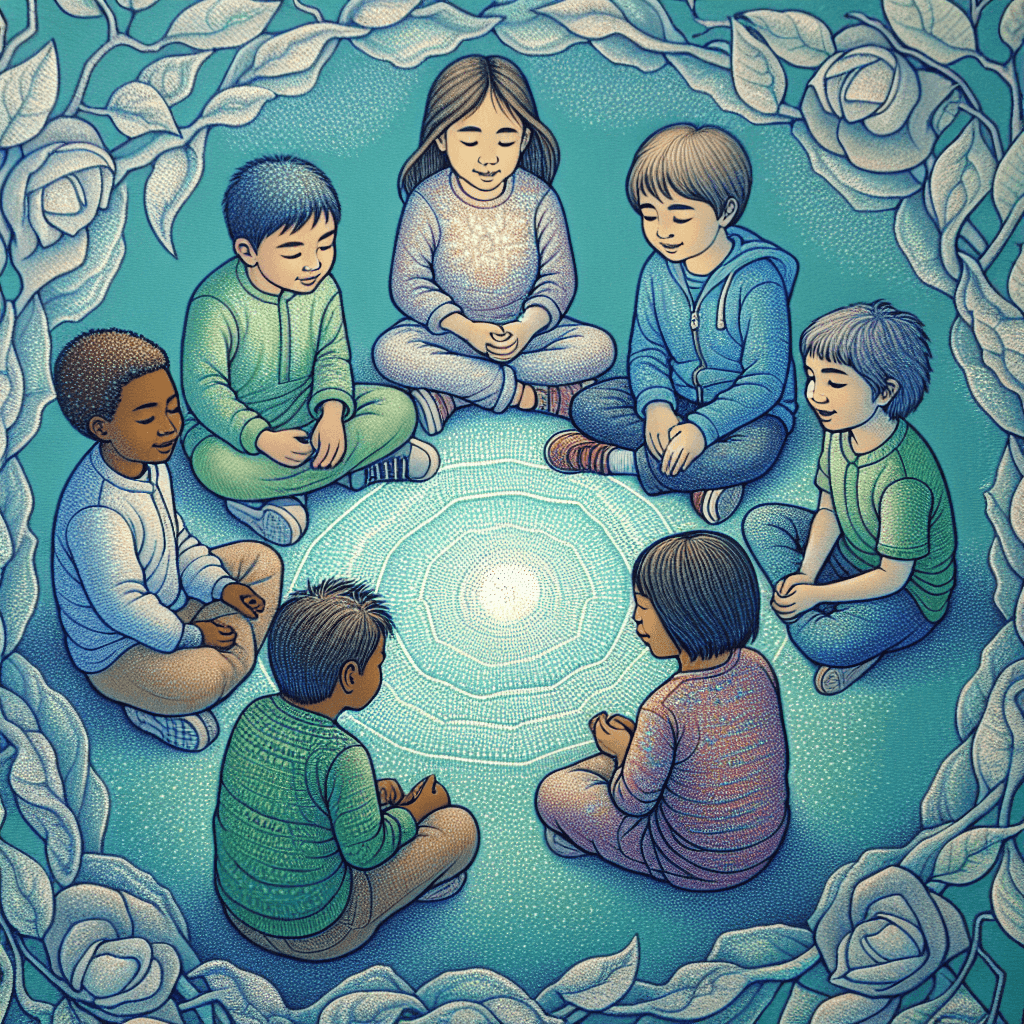
Hold restorative circles: Build trust and community through regular group dialogue.
Know when to step in: Step back unless safety is at risk. Your role is to empower, not override.
Common Challenges—and How to Overcome Them
Every powerful practice has hurdles. Here’s how to address common concerns:
Time: Social-emotional learning takes time now but saves time later by reducing behavior disruptions.
Different developmental levels: Scaffold expectations by age and celebrate effort, not perfection.
Parental pushback: Share resources like Why We Should Embrace Mistakes in School to explain the long-term value.
Big conflicts: Some situations require adult resolution. Even then, involve children in restoring relationships.
Educator confidence: Professional learning and peer support are key to growing in this approach.
What Next? Letting Go So Kids Can Grow 🪴
Instead of always fixing problems for them, let’s help them solve them—and watch them thrive.
Letting children handle their own social issues—while offering wise, warm guidance—is one of the most powerful things we can do for their growth. It teaches them to trust themselves, to empathize with others, and to keep trying—even when it’s hard.
As we’ve seen through Do What Kids Do stories like Faith Makes Friends or Landon Gets Lost, children rise to challenges when adults believe in their capabilities.