Repetition Isn't Boring—It's Science: Why Kids Love Hearing the Same Story Again (and Again)
If you’ve ever heard “Read it again!” for the tenth time in a row, you’re not alone. While it may test an adult’s patience, a child’s desire to revisit the same story repeatedly is far from a bad habit—it’s a window into how they learn best. Repetition is a superpower in early childhood development, strengthening cognitive skills, emotional resilience, and language mastery.
Why Repetition Works: Brain Science and Development
Repetition plays a foundational role in how young brains grow and learn. Here’s why:
1. Strengthens Neural Pathways
When a child hears the same story over and over, the neural pathways associated with that narrative get stronger. This is known as neuroplasticity—the brain’s ability to rewire and strengthen connections with repeated use. The phrase “neurons that fire together, wire together” captures it well.
Each repetition helps children absorb vocabulary, understand story structure, and develop memory. Neuroscientific research supports this deeply embedded process, helping children move information from short-term to long-term memory with every familiar page turn.
2. Reduces Cognitive Load
As children become familiar with a story’s plot, characters, and setting, their brains can shift focus to deeper elements—emotions, new words, or cause-and-effect relationships—without getting overwhelmed.
This concept, based on Cognitive Load Theory, explains why known stories often bring more learning: the mental effort needed to decode is reduced, so comprehension can deepen.
Language and Literacy Benefits: Repetition Builds Confident Readers
Story repetition doesn't just support memory—it also fuels literacy.
1. Vocabulary Expansion
Hearing words in consistent, engaging contexts helps children understand and use new vocabulary. Each repetition turns unfamiliar terms into familiar friends, increasing word mastery.
2. Phonological Awareness
Books with rhyme, rhythm, and alliteration help kids develop phonological skills—key for decoding and future reading success. Repetition allows these sound patterns to sink in, forming the building blocks of literacy.
Research shows that children who frequently engage with patterned text are more likely to develop strong reading fluency in early elementary years.
Emotional Benefits: Security, Connection, and Comfort
Repetition also supports a child’s emotional development—an often-overlooked benefit.
1. Predictability and Control
Familiar stories offer a safe, predictable structure in a world that often feels big and uncertain. Children know what’s coming next, and that helps them feel secure and in control.
This emotional grounding can be especially helpful during transitions or times of stress.
2. Bonding and Attachment
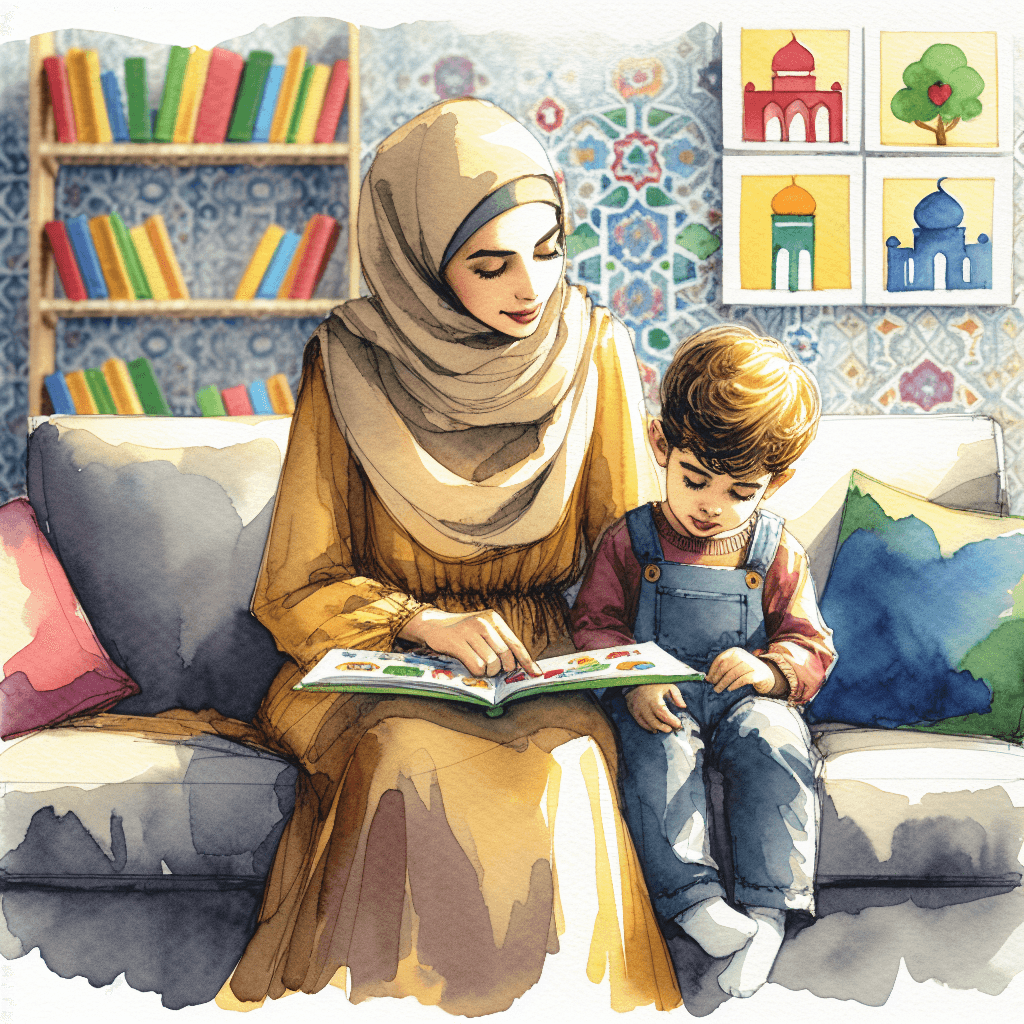
Reading favorite books together reinforces emotional bonds. That repetition—sitting in your lap, hearing your voice—builds trust and connection. According to attachment theory, these shared moments of closeness help foster emotional regulation and lifelong learning confidence.
Check out this piece on how reading rituals enhance emotional development
Making Repetition Fun (For Everyone)
Instead of dreading the 12th read-through, try these strategies to make the most of it:
Be expressive: Use character voices, sound effects, and facial expressions to keep each read fresh.
Ask open-ended questions: “Why do you think the bear went into the cave?” helps promote critical thinking.
Invite participation: Let your child fill in missing words, act out scenes, or retell parts of the story.
Connect to their world: Tie the story’s lessons to real life—“Remember when you were brave like Maya on your first day?”
Final Thought: “Again!” Means Growth
The next time your child grabs their favorite book again, recognize the magic within the moment. Repetition isn’t a stall in learning—it’s a developmental accelerator. It reinforces memory, deepens understanding, nurtures emotional security, and lays the foundation for confident, capable readers.
So yes, read “Faith Makes Friends” for the fifth time today. You’re doing more than entertaining your child. You’re helping their brain grow—and their heart feel safe.